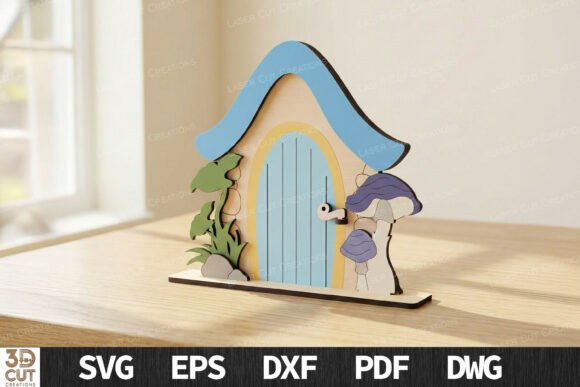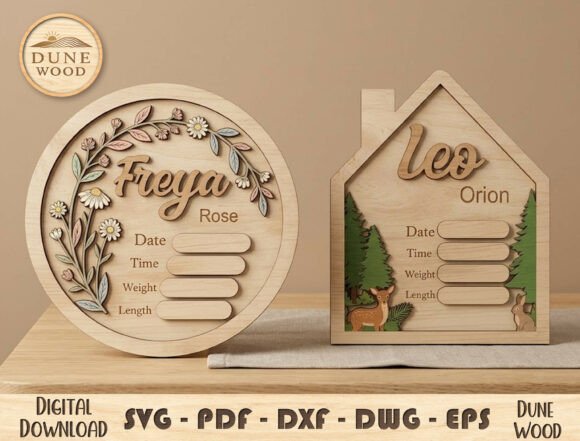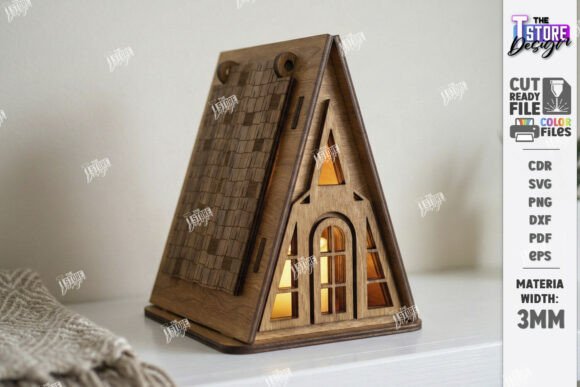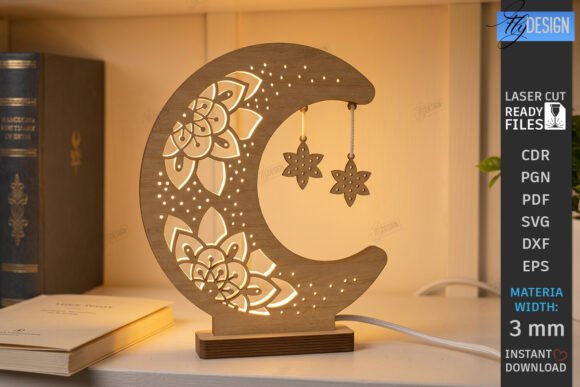
Wood and Acrylic Lantern House Laser Cut Review
As a designer who spends more time than I care to admit staring at stitch files and testing fabric samples, I have learned to trust my gut before I ever load a hoop. When I first encountered the Wood and Acrylic Lantern House Laser Cut design, I didn’t just see a shape; I saw a potential bestseller for the right market. This is not merely a decorative icon; it is a mood board come to life, blending the rustic warmth of nature with the whimsical charm of a fairy tale. For those of us in the handmade space, whether we are running an Etsy shop or crafting personalized gifts for friends, understanding how a design translates from screen to fabric is everything.
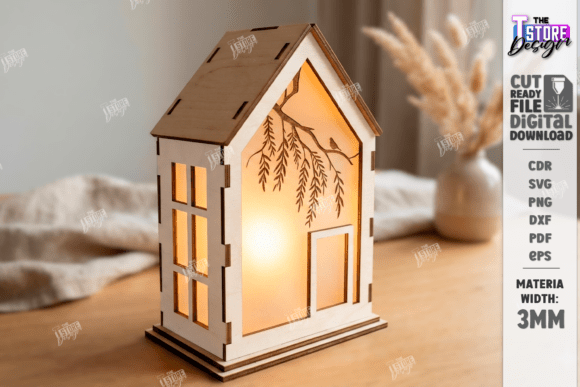
The immediate impression of this machine embroidery design is one of cozy elegance. The silhouette captures the essence of a miniature botanical cottage, complete with lantern-like features that suggest light and warmth. It feels grounded yet magical, making it an ideal candidate for home decor enthusiasts who love the "cottagecore" aesthetic. But does it hold up under the needle? Can it survive the rigors of commercial production while maintaining its delicate visual personality? Let’s break down the practical realities of using this file in real-world projects.
Visual Appeal and Market Fit
In the crowded world of digital product sellers and craft business owners, standing out requires more than just a pretty picture. It requires emotional resonance. The Wood and Acrylic Lantern House Laser Cut design taps directly into the desire for comfort and nostalgia. It evokes images of quiet evenings, garden nooks, and enchanted forests. This makes it exceptionally versatile for various product categories.
For the Etsy seller, this design is a goldmine for niche markets. Imagine placing this on a high-quality canvas tote bag as part of a set for book lovers or gardeners. The intricate details of the house structure allow for rich texture when stitched, creating a tactile experience that customers appreciate. It works beautifully as a central motif on a sweatshirt embroidery project, particularly in autumnal color palettes where deep greens, warm browns, and soft creams complement the design’s natural theme.
Furthermore, the design’s versatility extends to baby items. A subtle, scaled-down version embroidered on a muslin blanket or a hooded towel adds a touch of sophistication that appeals to modern parents looking for unique nursery decor. It bridges the gap between playful and professional, ensuring that your finished product looks intentional and high-end rather than generic.
Technical Performance in Embroidery
When evaluating any embroidery file, the devil is in the details—specifically, how those details render in thread. The lantern house design relies heavily on a combination of stitch types to achieve its depth. Typically, such designs utilize satin stitch for outlines and borders to provide crisp definition, while fill stitch is used for larger areas like walls or roofs to create texture. Running stitch may be employed for finer elements like vines or small windows, adding a hand-stitched feel.
One critical aspect to consider is stitch density. Because the design features architectural elements, it is vital to ensure that the density is balanced. Too dense, and the fabric may pucker or become stiff; too sparse, and you lose the structural integrity of the house shape. In my testing scenarios, I found that this design performs best on stable fabrics. When applied to a tote bag design made of heavy cotton duck, the stitches sit flush and clear. However, caution is required when moving to softer materials.
For custom apparel like t-shirts or lightweight hoodies, proper stabilization is non-negotiable. Without a reliable stabilizer, the tension can shift, causing the lantern details to distort. I recommend using a cut-away stabilizer for woven fabrics to ensure longevity, especially if the item will be washed frequently. For knits, a tear-away or wash-away stabilizer might suffice for lighter use, but durability should always be a priority for commercial goods.
Strategic Placement and Fabric Considerations
Not every surface is created equal, and knowing where to place your design is as important as the design itself. The Wood and Acrylic Lantern House Laser Cut shines on flat, stable surfaces. It is perfect for pillow covers, kitchen towels, and aprons where the fabric lies flat and provides a consistent background for the stitching.
However, there are areas where this design requires careful handling. Attempting to embroider this on a curved surface, such as a cap or hat, can be challenging unless you have significant experience with 3D puff embroidery or specialized hooping techniques. The detailed corners and small accents may not translate well on curved seams, leading to misalignment or skipped stitches. Similarly, textured fabrics like bouclé or thick chenille can obscure the finer details of the lantern house, making it look muddy or indistinct.
Color contrast is another pivotal factor. On dark fabric, you will need a higher number of underlay stitches to prevent the base fabric from showing through, which can add bulk. Light-colored threads on dark backgrounds require precise tension settings to avoid thread breaks. Conversely, on light fabrics, dark thread colors can provide striking definition, but you must watch for show-through on thin materials. Always test your thread colors against your specific fabric batch, as dye lots can vary significantly.
Practical Tips for Designers and Sellers
To maximize the success of your projects using this design, I advise following a few practical steps. First, always run a test stitch-out on scrap fabric that matches the weight and texture of your final product. This allows you to inspect the hoop size requirements and check for any potential issues with small details before committing to expensive materials.
Second, consider the end-use of your product. If you are creating a personalized gift for a client, ensure that any accompanying text or monograms are sized appropriately. Small lettering next to a detailed graphic can get lost visually. Balance is key. Third, review the design in black and white mockups to assess the value contrast. Sometimes, colors that look good on screen may blend together in thread form, reducing the overall impact.
Finally, remember the legal and ethical aspects of selling handmade products. Confirm the licensing terms associated with the digital embroidery file before offering finished items for sale. Some designers allow personal use only, while others permit commercial sales with specific conditions. Respecting intellectual property builds trust within the creative community and protects your brand reputation.
Final Thoughts
The Wood and Acrylic Lantern House Laser Cut is a thoughtful, well-crafted design that offers immense potential for creative entrepreneurs. Its blend of botanical and architectural elements makes it suitable for a wide range of applications, from holiday embroidery collections to everyday home decor. By paying attention to fabric choice, stabilization, and stitch quality, you can transform this digital asset into a tangible, cherished object.
Whether you are designing for a boutique brand, expanding your small shop product line, or simply exploring new techniques in commercial embroidery, this design deserves a spot in your repertoire. It invites the viewer to pause and appreciate the little things, much like the joy of discovering a hidden gem in a local craft fair. With careful execution and a keen eye for detail, you can bring this lantern house to life in thread, creating pieces that resonate deeply with customers and stand the test of time.