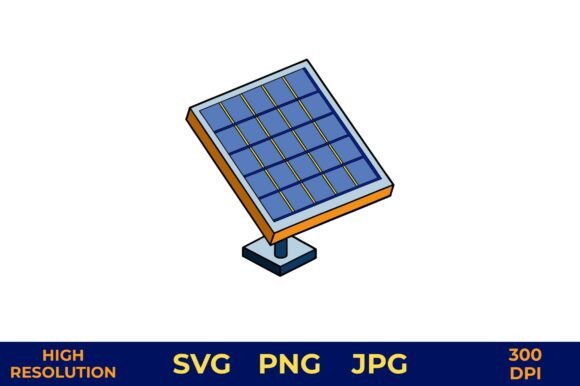
3D Solar Panel Vector with Blue Cells Review
As a designer who spends half my day staring at stitch charts and the other half worrying about thread tension, I don’t just look at a design; I look at how it will behave under the needle. When I first pulled up the 3D Solar Panel Vector with Blue Cells, my initial reaction was one of cautious optimism. It’s a Freebies category item, which usually means mixed quality, but this specific graphic has enough visual weight to make me pause and consider its potential for real-world application.
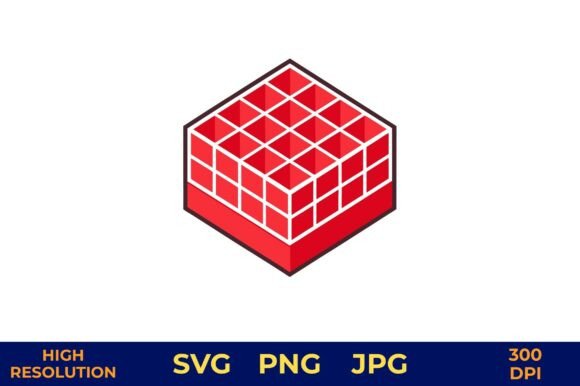
The prompt describes a "colorful vector illustration" featuring blue photovoltaic cells and a sturdy base. In the world of embroidery, "vector" is a promise of clean lines, but it’s also a warning label. Vectors are often flat. Embroidery is three-dimensional. The challenge—and the opportunity—lies in translating that crisp, digital blue into something tactile and textured. This isn't just a clipart image; it’s a machine embroidery design candidate that requires thoughtful execution to avoid looking like a cheap sticker slapped onto fabric.
First Impressions: Mood and Visual Personality
The mood here is modern, clean, and slightly technical. The deep blues of the photovoltaic cells suggest sustainability and innovation, while the "sturdy base" implies reliability. Visually, it creates a strong rectangular anchor. For an embroidery project, this shape is forgiving. Unlike organic shapes or intricate florals that can get lost in the weave of the fabric, a solar panel design offers clear boundaries. It says, "I am precise."
I imagine this design sitting on a canvas tote bag, representing the eco-conscious consumer. Or perhaps embroidered on the chest of a sweatshirt for a tech startup’s holiday party. The color palette—dominated by blues and likely contrasting whites or silvers for the grid lines—lends itself well to a professional yet approachable aesthetic. It doesn’t scream; it informs. That subtle authority is what makes it valuable for custom apparel aimed at a demographic that cares about green energy or smart home technology.
Real-Life Application: From Screen to Stitch
Let’s talk about where this actually lives in your studio. I see this embroidery file performing exceptionally well on structured items. A cotton twill cap, for instance, would provide the perfect rigid surface for the panel’s straight lines. If you’re an Etsy seller looking to create unique small shop product listings, this design bridges the gap between a novelty gift and a statement piece.
Consider a baby blanket or a nursery wall hanging. The geometric nature of the solar panels is surprisingly calming and gender-neutral. It breaks away from the typical clouds and stars, offering a contemporary twist for modern parents. However, the success of this handmade product hinges entirely on the stitching technique. You cannot simply run a fill stitch over the entire area and expect it to pop. The contrast between the cell blocks and the framing needs definition.
I envision using a combination of techniques here. A satin stitch around the perimeter of the panel gives it a finished, badge-like appearance. Inside, a carefully placed fill stitch in a slightly lighter or darker blue than the base fabric can simulate the glassy texture of the cells. If the design allows, incorporating a running stitch for the thin grid lines separating the cells adds a layer of realism that a solid block of thread never could. This attention to detail is what separates a hobbyist’s attempt from a professional finished product.
Where Caution Is Required
No design is perfect, and this one has specific constraints. The most critical factor is hoop size. Because the design relies on the geometry of the panel, shrinking it down too small risks losing the integrity of the cells. If you try to fit this into a tiny 4x4 hoop without scaling it appropriately, those "blue cells" might merge into a muddy blue blob. Always check the recommended hoop size before committing to a production run.
Fabric choice is equally important. This design demands stability. If you are working with a stretchy knit or a loosely woven linen, the tension of the threads may pucker the fabric, distorting the straight lines of the solar panel. A stable cotton or polyester blend is ideal. Furthermore, dark fabrics present a challenge. If the background is black or navy, the blue cells may disappear unless you use high-contrast thread colors. I always advise testing your thread colors against your actual fabric swatch before starting the machine.
Avoid placing this design on curved surfaces like the front of a baseball cap if the design is large. The curvature can warp the grid lines, making the panel look bent or broken. For caps, a smaller, simplified version works better. Also, be mindful of dense stitch areas. If the original vector includes intricate shading, ensure your digitizing software can handle the stitch density without creating a stiff, cardboard-like feel on the garment.
Practical Designer Notes for Execution
Before you load this digital embroidery file into your machine, take these steps to ensure a successful outcome:
- Test on Scrap Fabric: Never run a new design directly onto your final customer item. Use a scrap piece of the same fabric and stabilizer combo to check for puckering or tension issues.
- Review Stitch Density: Look closely at the grid lines. Are they too close together? If so, consider simplifying them with a running stitch to reduce bulk and improve flexibility.
- Check Contrast: View your design in black and white mockup mode. Does the blue stand out against the chosen fabric? If not, adjust your thread selection. Sometimes a silver or grey thread works better for the frame than white.
- Stabilizer Selection: For items like tote bag designs or aprons, a cut-away stabilizer is often necessary to prevent shifting during long runs. For lightweight tees, a tear-away might suffice, but test it first.
- Licensing Verification: Since this is listed under Freebies and categorized as Graphics, you must verify the license terms. Can you sell the finished physical items? Can you use it in commercial embroidery projects? Do not assume free access equals commercial rights. Protect your business by reading the fine print.
Final Verdict: Value and Versatility
The 3D Solar Panel Vector with Blue Cells is more than just a pretty picture; it’s a versatile asset for the creative entrepreneur. It appeals to a niche market that values sustainability and modern design. When executed with care—paying attention to thread colors, fabric texture, and proper stabilization—it transforms from a simple vector into a compelling embroidered patch or decorative accent.
It works beautifully for holiday embroidery gifts, corporate branding, and personalized products. It adds a touch of sophistication to kitchen towels or pillow covers, elevating them from generic decor to curated home goods. For the craft business owner, this design offers a low-cost entry point into a trending theme. Just remember: the vector is only the blueprint. Your skill in translation—how you handle the needle, the thread, and the fabric—is what will ultimately determine the value of the finished product. Treat it with respect, test it thoroughly, and you’ll have a standout addition to your design assets library.